
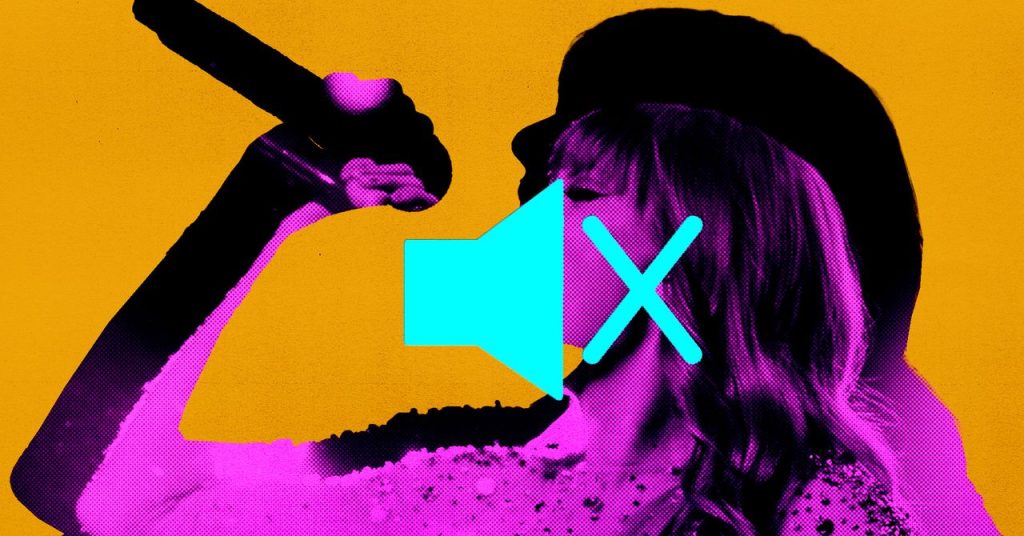
TikTok’s Missing Music Is Making Users Very Upset — There is a concrete story behind the headlines, and it is more interesting than the coverage suggests. Songs previously licensed from Universal Music Group artists are disappearing from TikTok. #SwiftTok may never be the same. The immediate coverage concentrated on the announcement itself. Stepping back, the timing is the part that matters — it arrives at a point when the surrounding ecosystem has already shifted considerably. For anyone already following this space, the announcement lands on familiar ground. The unfamiliar part is the scale, and the fact that it is being treated as a baseline rather than an exception. What changed The specific mechanism matters as much as the headline. At the level of implementation, the change is narrower than the coverage implies, and considerably more actionable for people who plan their setup around it. Even though many ardent fans value the online community built through social media, some are also uncomfortable with the flattening of poetic songs into 60-second memes. Multiple videos posted on Olivia Rodrigo’s official account, including one with over 50 million views, are now quiet. Why it matters The competitive question here is not really about who announced what. It is about who can keep the promise once load rises and the conditions get less forgiving. What to watch The indicators worth tracking are unglamorous: response times at peak hours, the frequency of service interruptions, and how quickly support resolves problems that are genuinely hard. The practical detail The concrete checklist is this: hardware support, regional availability, contract length, and what happens to the service if the operator changes its approach. For most viewers, this means the details will shift as more reporting lands, but the direction is clear enough to plan around. This article draws on reporting from wired.com. Read the original coverage for the full account…
Tag: Tiktok
Recht & Verträge
Chronic Illness TikTok Through the Eyes of a Doctor and the gap nobody is talking about
Aug
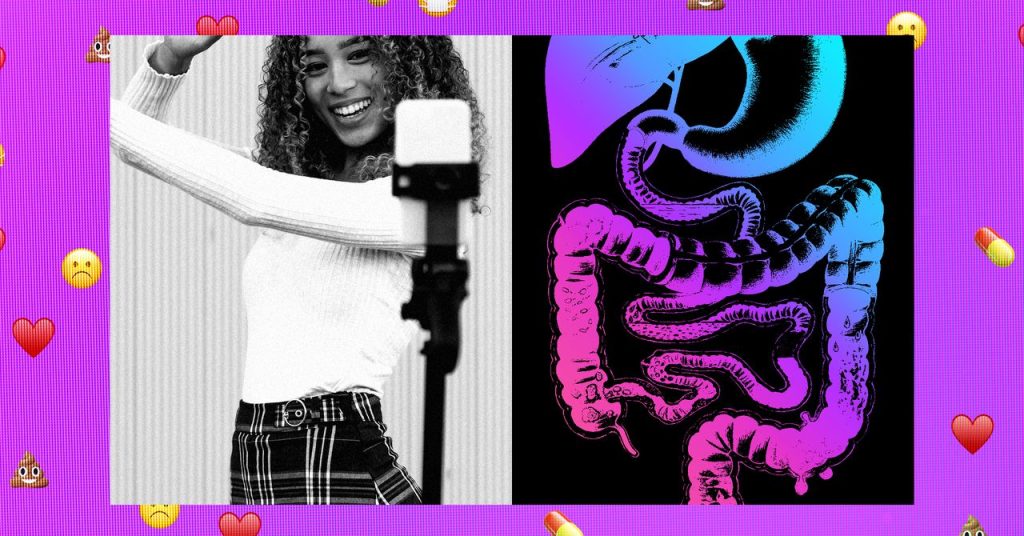
Chronic Illness TikTok Through the Eyes of a Doctor — There is a concrete story behind the headlines, and it is more interesting than the coverage suggests. People are using TikTok to change the narrative around invisible illness. So what can a medical professional learn by lurking? wired.com first reported the change, and the initial reaction focused on what it announced. The more interesting question is what it sets up for the months ahead, and that is where the practical consequences sit. None of this is entirely new, and that is precisely why it is worth attention. The direction has been visible for a while; what has changed is how far it has been carried out. What changed At the level of detail, this is where the difference between theory and practice shows up. The constraints are real, and they determine what a reasonable setup looks like six months from now. AhujaIdeasAug 1, 2023 8:00 AMChronic Illness TikTok Through the Eyes of a DoctorPeople are using TikTok to change the narrative around invisible illness. Why it matters The competitive question here is not really about who announced what. It is about who can keep the promise once load rises and the conditions get less forgiving. What to watch Two things are worth tracking. First, whether the early adopter experience holds as more people sign up. Second, whether the pricing structure survives the first round of competition. Both answers should arrive within the year. The practical detail Set aside the launch framing and the picture becomes clearer. For most people the decision reduces to a short checklist: confirm the technical requirements, check that the service is available in your region, and read the current terms rather than the summary of them. For most viewers, this means the details will shift as more reporting lands, but the direction is clear enough to plan around. This article draws on reporting from wired.com. Read the original coverage for the full account…