

I Went Hands-On With the OnePlus 15’s Camera and You Need to See the — The change took most observers by surprise. Here is what is now different, and what it means in practice. What better first test run than taking it on a neighborhood photo safari? The immediate coverage concentrated on the announcement itself. Stepping back, the timing is the part that matters — it arrives at a point when the surrounding ecosystem has already shifted considerably. There is a longer arc here. Treating the current announcement as a single event misses the pattern that connects it to what came before. What changed Looked at closely, the implementation is more conservative than the announcement suggests. That is not a criticism — it reflects a market that has learned from earlier overreach. The OnePlus 15 is the next premium handset from the Chinese phone-maker, and I just got my hands on it. The OnePlus 15’s big advantage is that it’s one of the first to run the Snapdragon 8 Elite Gen 5, Qualcomm’s next-generation chip for high-end phones, which was launched in September. Why it matters The competitive question here is not really about who announced what. It is about who can keep the promise once load rises and the conditions get less forgiving. What to watch Watch the second-hand market rather than the launch coverage. Prices, availability and the quality of the underlying service tell the story more reliably than the announcements do. The practical detail The concrete checklist is this: hardware support, regional availability, contract length, and what happens to the service if the operator changes its approach. What matters here is that the details will shift as more reporting lands, but the direction is clear enough to plan around. This article draws on reporting from CNET. Read the original coverage for the full account…
Tag: Camera
Anbieter-Übersicht
Inside the shift reshaping iPhone 14 Pro vs. Pixel 6 Pro Camera Comparison: A Photo Is Worth
Oct
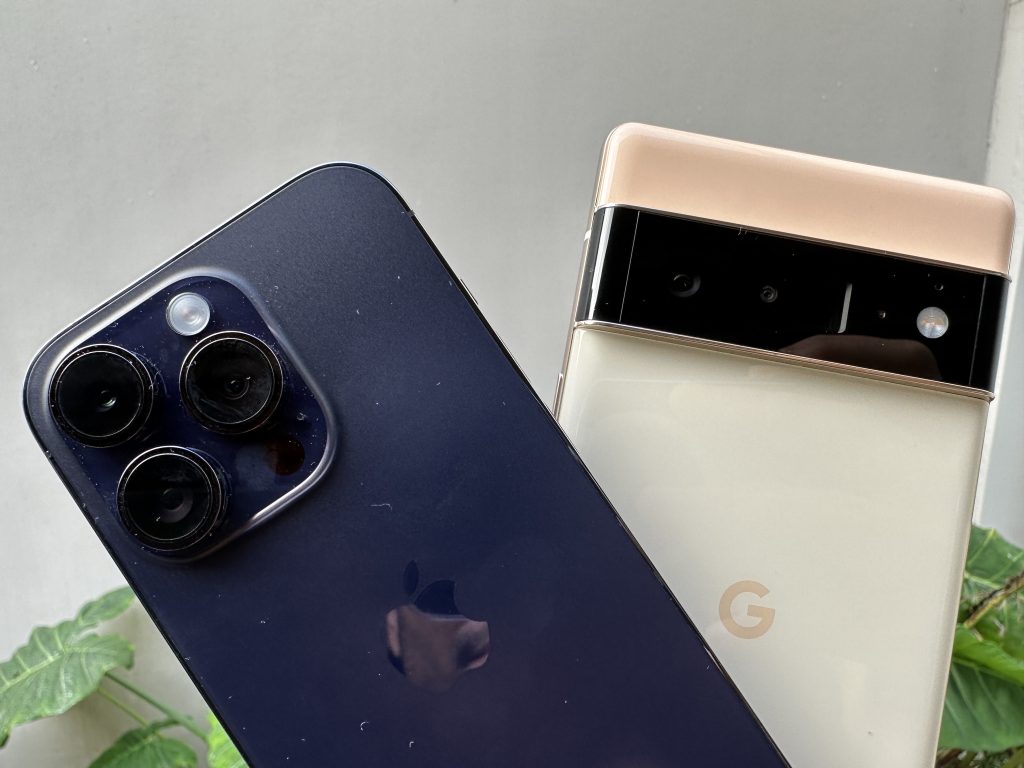
iPhone 14 Pro vs. Pixel 6 Pro Camera Comparison: A Photo Is Worth — The change took most observers by surprise. Here is what is now different, and what it means in practice. Apple’s new flagship iPhone packs 48 megapixels. How does that compare with Google’s camera? CNET first reported the change, and the initial reaction focused on what it announced. The more interesting question is what it sets up for the months ahead, and that is where the practical consequences sit. None of this is entirely new, and that is precisely why it is worth attention. The direction has been visible for a while; what has changed is how far it has been carried out. What changed Looked at closely, the implementation is more conservative than the announcement suggests. That is not a criticism — it reflects a market that has learned from earlier overreach. Apple’s new flagship iPhone packs 48 megapixels. The iPhone 14 Pro takes the biggest photographic jump the product’s recent history, at least on paper. After years of rocking a 12-megapixel main lens, the newest flagship iPhone quadruples its megapixel count to 48. Some of the 48-megapixel camera’s benefits are hard to demonstrate here. Why it matters This is the part that should shape a decision. Everything else — pricing, packaging, comparative features — matters less than whether the underlying delivery holds up under the conditions people actually live in. What to watch Two things are worth tracking. First, whether the early adopter experience holds as more people sign up. Second, whether the pricing structure survives the first round of competition. Both answers should arrive within the year. The practical detail The concrete checklist is this: hardware support, regional availability, contract length, and what happens to the service if the operator changes its approach. For most viewers, this means the details will shift as more reporting lands, but the direction is clear enough to plan around. This article draws on reporting from CNET. Read the original coverage for the full account…