

Twitter Had a Plan to Fix Social Media. Will Elon Musk Follow It? — Plenty of noise surrounded this announcement. The substance underneath it is what deserves attention. For years, the platform has funded a project that’s meant to create a better, decentralized online experience. Now Twitter’s new owner will decide its future. What emerged was clear in outline but layered in detail. Reading the announcement alongside the wider context suggests a deliberate move rather than a response to short-term pressure. None of this is entirely new, and that is precisely why it is worth attention. The direction has been visible for a while; what has changed is how far it has been carried out. What changed The specific mechanism matters as much as the headline. At the level of implementation, the change is narrower than the coverage implies, and considerably more actionable for people who plan their setup around it. “Super interesting idea.” So far, Bluesky has received at least $13 million in funding from Twitter, and Dorsey continues to be involved as a member of the board. Why it matters This is the part that should shape a decision. Everything else — pricing, packaging, comparative features — matters less than whether the underlying delivery holds up under the conditions people actually live in. What to watch Watch the second-hand market rather than the launch coverage. Prices, availability and the quality of the underlying service tell the story more reliably than the announcements do. The practical detail Practical guidance is short. Verify compatibility with your own equipment, confirm regional availability, and treat any headline figure as a starting point rather than a settled result. For most viewers, this means the details will shift as more reporting lands, but the direction is clear enough to plan around. This article draws on reporting from wired.com. Read the original coverage for the full account…
Locale: en

Nov
Rolex Deepsea Challenge 2022: the Deepest Diver You Can Buy — Plenty of noise surrounded this announcement. The substance underneath it is what deserves attention. Capable of operating almost 7 miles down, the titanium Deepsea Challenge takes the watch world’s battle for diver supremacy to new depths. The immediate coverage concentrated on the announcement itself. Stepping back, the timing is the part that matters — it arrives at a point when the surrounding ecosystem has already shifted considerably. There is a longer arc here. Treating the current announcement as a single event misses the pattern that connects it to what came before. What changed The specific mechanism matters as much as the headline. At the level of implementation, the change is narrower than the coverage implies, and considerably more actionable for people who plan their setup around it. Why it matters The commercial framing tends to dominate the discussion, and it should. The question that decides whether any of this matters is whether the everyday experience improves for a household watching several hours a day. What to watch Watch the second-hand market rather than the launch coverage. Prices, availability and the quality of the underlying service tell the story more reliably than the announcements do. The practical detail Set aside the launch framing and the picture becomes clearer. For most people the decision reduces to a short checklist: confirm the technical requirements, check that the service is available in your region, and read the current terms rather than the summary of them. For most viewers, this means the details will shift as more reporting lands, but the direction is clear enough to plan around. This article draws on reporting from wired.com. Read the original coverage for the full account…

Oct
Laughing Gas Could Be a Sign of Life on Distant Planets — For a long time this was treated as a background trend. That framing no longer holds. The search for extraterrestrial life could take a funny turn. The immediate coverage concentrated on the announcement itself. Stepping back, the timing is the part that matters — it arrives at a point when the surrounding ecosystem has already shifted considerably. There is a longer arc here. Treating the current announcement as a single event misses the pattern that connects it to what came before. What changed At the level of detail, this is where the difference between theory and practice shows up. The constraints are real, and they determine what a reasonable setup looks like six months from now. This artist’s concept illustration shows Trappist-1, a intriguing star system with Earth-size planets. Why it matters This is the part that should shape a decision. Everything else — pricing, packaging, comparative features — matters less than whether the underlying delivery holds up under the conditions people actually live in. What to watch Watch the second-hand market rather than the launch coverage. Prices, availability and the quality of the underlying service tell the story more reliably than the announcements do. The practical detail Set aside the launch framing and the picture becomes clearer. For most people the decision reduces to a short checklist: confirm the technical requirements, check that the service is available in your region, and read the current terms rather than the summary of them. In practice, the details will shift as more reporting lands, but the direction is clear enough to plan around. This article draws on reporting from CNET. Read the original coverage for the full account…
Recht & Verträge
Twitter Rolls Out Edit Button to Subscribers in Canada, Australia,, explained without the noise

Oct
Twitter Rolls Out Edit Button to Subscribers in Canada, Australia, — The change took most observers by surprise. Here is what is now different, and what it means in practice. They get it before the US does. The immediate coverage concentrated on the announcement itself. Stepping back, the timing is the part that matters — it arrives at a point when the surrounding ecosystem has already shifted considerably. None of this is entirely new, and that is precisely why it is worth attention. The direction has been visible for a while; what has changed is how far it has been carried out. What changed Looked at closely, the implementation is more conservative than the announcement suggests. That is not a criticism — it reflects a market that has learned from earlier overreach. Why it matters The competitive question here is not really about who announced what. It is about who can keep the promise once load rises and the conditions get less forgiving. What to watch The indicators worth tracking are unglamorous: response times at peak hours, the frequency of service interruptions, and how quickly support resolves problems that are genuinely hard. The practical detail The concrete checklist is this: hardware support, regional availability, contract length, and what happens to the service if the operator changes its approach. The net effect is that the details will shift as more reporting lands, but the direction is clear enough to plan around. This article draws on reporting from CNET. Read the original coverage for the full account…

Oct
I Got to Ride in a Self-Flying Cessna — For a long time this was treated as a background trend. That framing no longer holds. Xwing hopes to put a fleet of autonomous planes in the sky by 2025. CNET first reported the change, and the initial reaction focused on what it announced. The more interesting question is what it sets up for the months ahead, and that is where the practical consequences sit. There is a longer arc here. Treating the current announcement as a single event misses the pattern that connects it to what came before. What changed At the level of detail, this is where the difference between theory and practice shows up. The constraints are real, and they determine what a reasonable setup looks like six months from now. Xwing hopes to put a fleet of autonomous planes in the sky by 2025. Why it matters This is the part that should shape a decision. Everything else — pricing, packaging, comparative features — matters less than whether the underlying delivery holds up under the conditions people actually live in. What to watch The indicators worth tracking are unglamorous: response times at peak hours, the frequency of service interruptions, and how quickly support resolves problems that are genuinely hard. The practical detail Practical guidance is short. Verify compatibility with your own equipment, confirm regional availability, and treat any headline figure as a starting point rather than a settled result. For most viewers, this means the details will shift as more reporting lands, but the direction is clear enough to plan around. This article draws on reporting from CNET. Read the original coverage for the full account…
Anbieter-Übersicht
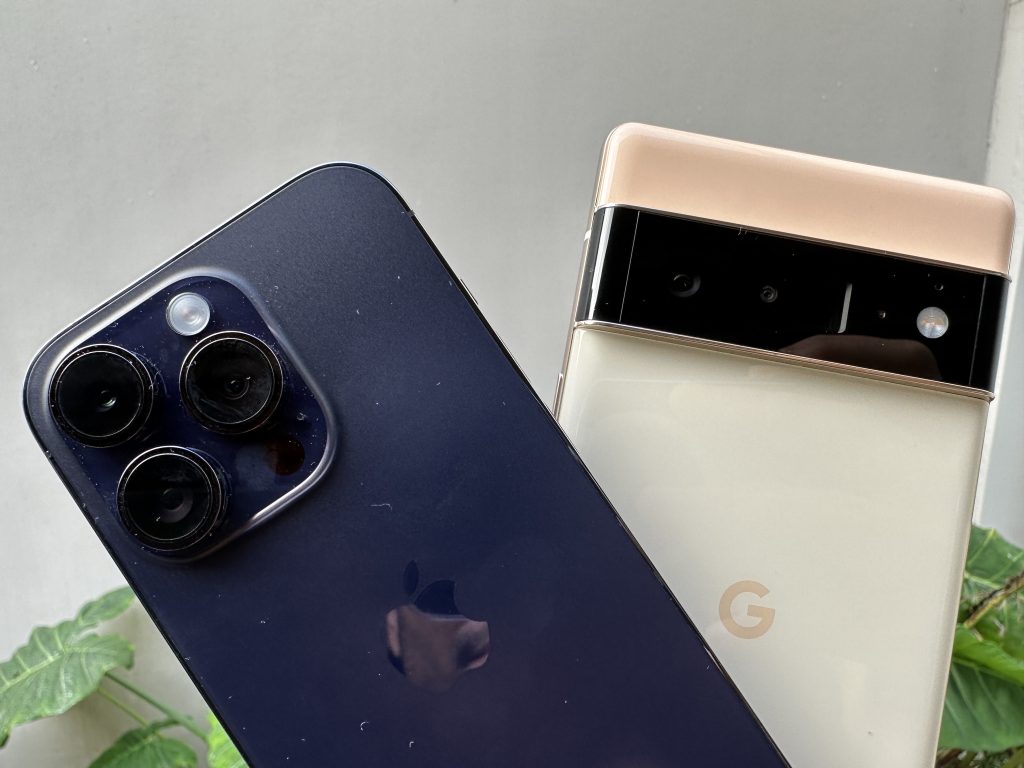
Inside the shift reshaping iPhone 14 Pro vs. Pixel 6 Pro Camera Comparison: A Photo Is Worth
Oct
iPhone 14 Pro vs. Pixel 6 Pro Camera Comparison: A Photo Is Worth — The change took most observers by surprise. Here is what is now different, and what it means in practice. Apple’s new flagship iPhone packs 48 megapixels. How does that compare with Google’s camera? CNET first reported the change, and the initial reaction focused on what it announced. The more interesting question is what it sets up for the months ahead, and that is where the practical consequences sit. None of this is entirely new, and that is precisely why it is worth attention. The direction has been visible for a while; what has changed is how far it has been carried out. What changed Looked at closely, the implementation is more conservative than the announcement suggests. That is not a criticism — it reflects a market that has learned from earlier overreach. Apple’s new flagship iPhone packs 48 megapixels. The iPhone 14 Pro takes the biggest photographic jump the product’s recent history, at least on paper. After years of rocking a 12-megapixel main lens, the newest flagship iPhone quadruples its megapixel count to 48. Some of the 48-megapixel camera’s benefits are hard to demonstrate here. Why it matters This is the part that should shape a decision. Everything else — pricing, packaging, comparative features — matters less than whether the underlying delivery holds up under the conditions people actually live in. What to watch Two things are worth tracking. First, whether the early adopter experience holds as more people sign up. Second, whether the pricing structure survives the first round of competition. Both answers should arrive within the year. The practical detail The concrete checklist is this: hardware support, regional availability, contract length, and what happens to the service if the operator changes its approach. For most viewers, this means the details will shift as more reporting lands, but the direction is clear enough to plan around. This article draws on reporting from CNET. Read the original coverage for the full account…

Sep
Electric Fish Genomes Reveal How Evolution Repeats Itself — For a long time this was treated as a background trend. That framing no longer holds. By studying how electric organs arose in different lineages of fish, scientists gain new insights into a long-standing question of evolutionary biology. wired.com first reported the change, and the initial reaction focused on what it announced. The more interesting question is what it sets up for the months ahead, and that is where the practical consequences sit. For anyone already following this space, the announcement lands on familiar ground. The unfamiliar part is the scale, and the fact that it is being treated as a baseline rather than an exception. What changed The specific mechanism matters as much as the headline. At the level of implementation, the change is narrower than the coverage implies, and considerably more actionable for people who plan their setup around it. When one swims by, the fish unleash two 600-volt pulses of electricity to stun or kill it. Why it matters The commercial framing tends to dominate the discussion, and it should. The question that decides whether any of this matters is whether the everyday experience improves for a household watching several hours a day. What to watch Watch the second-hand market rather than the launch coverage. Prices, availability and the quality of the underlying service tell the story more reliably than the announcements do. The practical detail The concrete checklist is this: hardware support, regional availability, contract length, and what happens to the service if the operator changes its approach. The net effect is that the details will shift as more reporting lands, but the direction is clear enough to plan around. This article draws on reporting from wired.com. Read the original coverage for the full account…
Sep
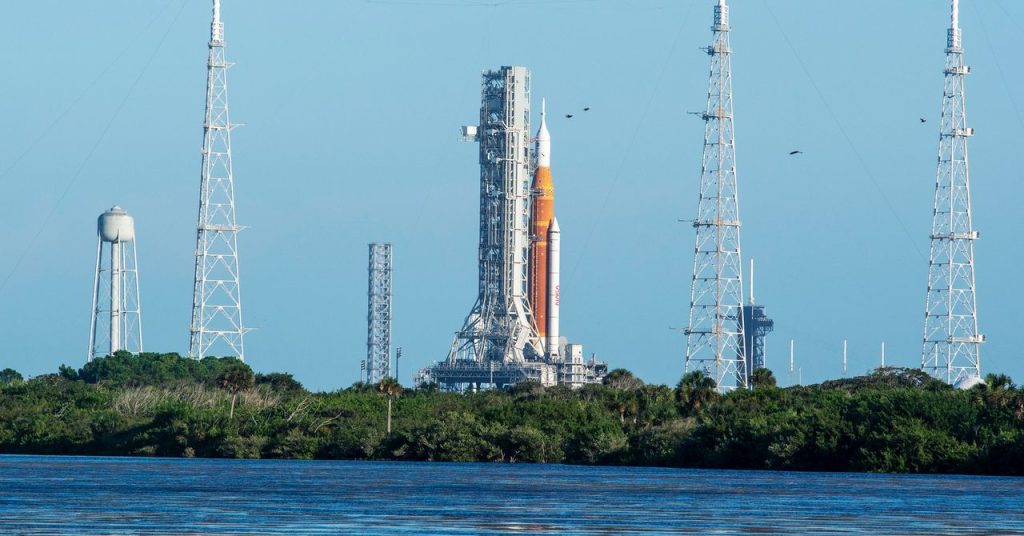
NASA Orders a Second Delay for the Artemis Moon — Plenty of noise surrounded this announcement. The substance underneath it is what deserves attention. The uncrewed mission, the first major launch of the Artemis program, suffered a setback after a liquid hydrogen leak. What emerged was clear in outline but layered in detail. Reading the announcement alongside the wider context suggests a deliberate move rather than a response to short-term pressure. For anyone already following this space, the announcement lands on familiar ground. The unfamiliar part is the scale, and the fact that it is being treated as a baseline rather than an exception. What changed Looked at closely, the implementation is more conservative than the announcement suggests. That is not a criticism — it reflects a market that has learned from earlier overreach. While loading the core stage with propellants, NASA engineers noticed a problem with the third RS-25 engine, one of the engines next to the right solid rocket booster. Why it matters The commercial framing tends to dominate the discussion, and it should. The question that decides whether any of this matters is whether the everyday experience improves for a household watching several hours a day. What to watch The indicators worth tracking are unglamorous: response times at peak hours, the frequency of service interruptions, and how quickly support resolves problems that are genuinely hard. The practical detail Practical guidance is short. Verify compatibility with your own equipment, confirm regional availability, and treat any headline figure as a starting point rather than a settled result. For most viewers, this means the details will shift as more reporting lands, but the direction is clear enough to plan around. This article draws on reporting from wired.com. Read the original coverage for the full account…

Sep
Could Climate Change Alter the Length of the Day? — There is a concrete story behind the headlines, and it is more interesting than the coverage suggests. Global warming is melting Earth’s glaciers, which is moving vast amounts of water—maybe enough to affect the planet’s rotation. wired.com first reported the change, and the initial reaction focused on what it announced. The more interesting question is what it sets up for the months ahead, and that is where the practical consequences sit. There is a longer arc here. Treating the current announcement as a single event misses the pattern that connects it to what came before. What changed At the level of detail, this is where the difference between theory and practice shows up. The constraints are real, and they determine what a reasonable setup looks like six months from now. Instead, it’s tilted about 23.4 degrees. This is called a solar day, and it has a value of 24 hours, or 86,400 seconds. Why it matters This is the part that should shape a decision. Everything else — pricing, packaging, comparative features — matters less than whether the underlying delivery holds up under the conditions people actually live in. What to watch Two things are worth tracking. First, whether the early adopter experience holds as more people sign up. Second, whether the pricing structure survives the first round of competition. Both answers should arrive within the year. The practical detail The concrete checklist is this: hardware support, regional availability, contract length, and what happens to the service if the operator changes its approach. What matters here is that the details will shift as more reporting lands, but the direction is clear enough to plan around. This article draws on reporting from wired.com. Read the original coverage for the full account…

Sep
GM’s Cruise Recalls Self — The change took most observers by surprise. Here is what is now different, and what it means in practice. After two people were injured in the incident, Cruise blocked its robot vehicles from making left turns for several weeks before issuing a software update. The immediate coverage concentrated on the announcement itself. Stepping back, the timing is the part that matters — it arrives at a point when the surrounding ecosystem has already shifted considerably. None of this is entirely new, and that is precisely why it is worth attention. The direction has been visible for a while; what has changed is how far it has been carried out. What changed The specific mechanism matters as much as the headline. At the level of implementation, the change is narrower than the coverage implies, and considerably more actionable for people who plan their setup around it. The company said it has determined that if the vehicle involved in the June 3 incident had been running the current software, no crash would have occurred. Why it matters The commercial framing tends to dominate the discussion, and it should. The question that decides whether any of this matters is whether the everyday experience improves for a household watching several hours a day. What to watch Two things are worth tracking. First, whether the early adopter experience holds as more people sign up. Second, whether the pricing structure survives the first round of competition. Both answers should arrive within the year. The practical detail Set aside the launch framing and the picture becomes clearer. For most people the decision reduces to a short checklist: confirm the technical requirements, check that the service is available in your region, and read the current terms rather than the summary of them. For most viewers, this means the details will shift as more reporting lands, but the direction is clear enough to plan around. This article draws on reporting from wired.com. Read the original coverage for the full account…